

A cycle count that comes back wrong is worse than a cycle count that never ran. The warehouse system now holds a number that looks authoritative but is not, and every downstream decision inherits the error. In our experience working with 3PL operators, the root cause is rarely the WMS software. It is the reader capturing tags it was never meant to capture.
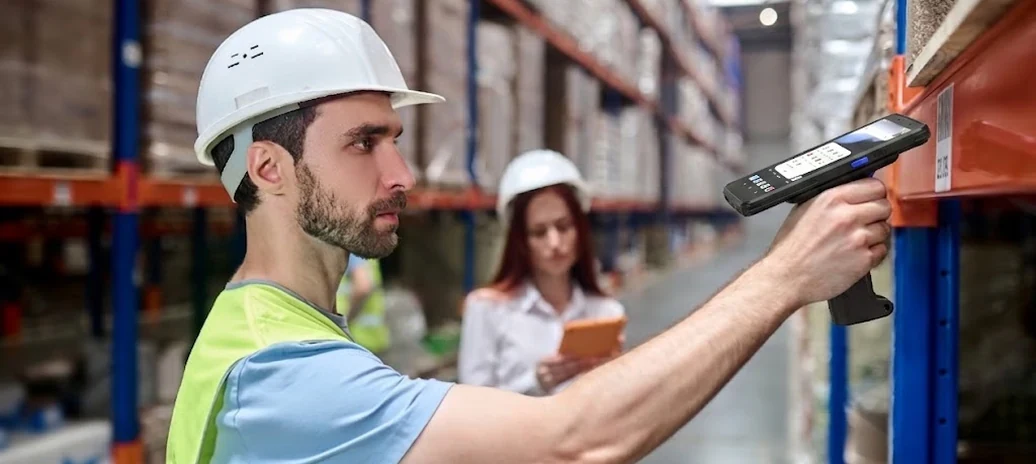
Dense storage is where this breaks down. On a typical pallet rack, tags on adjacent cartons sit eight to fifteen centimeters apart. A far field UHF reader set to a practical working range will pull every tag within its field, not just the one the operator is pointing at. The count inflates. The operator re-scans to verify. The second scan disagrees with the first, and confidence in the whole record collapses.
Why far field UHF struggles in dense racks
UHF passive RFID operates by radiating power. The tag harvests that power, modulates the backscatter, and the reader decodes the return signal. Read range and read precision are coupled: increasing transmit power to reach a distant tag also widens the cone that captures nearby tags. There is no configuration of a single UHF channel that reads a distant pallet without also reading its neighbors.
Operators compensate with technique. Shield the reader with a hand. Angle the antenna. Reduce power and step closer. Every one of these workarounds costs seconds per read, and multiplied across a shift, they erase the productivity gain the RFID deployment was supposed to deliver.
Dual band as the architectural answer
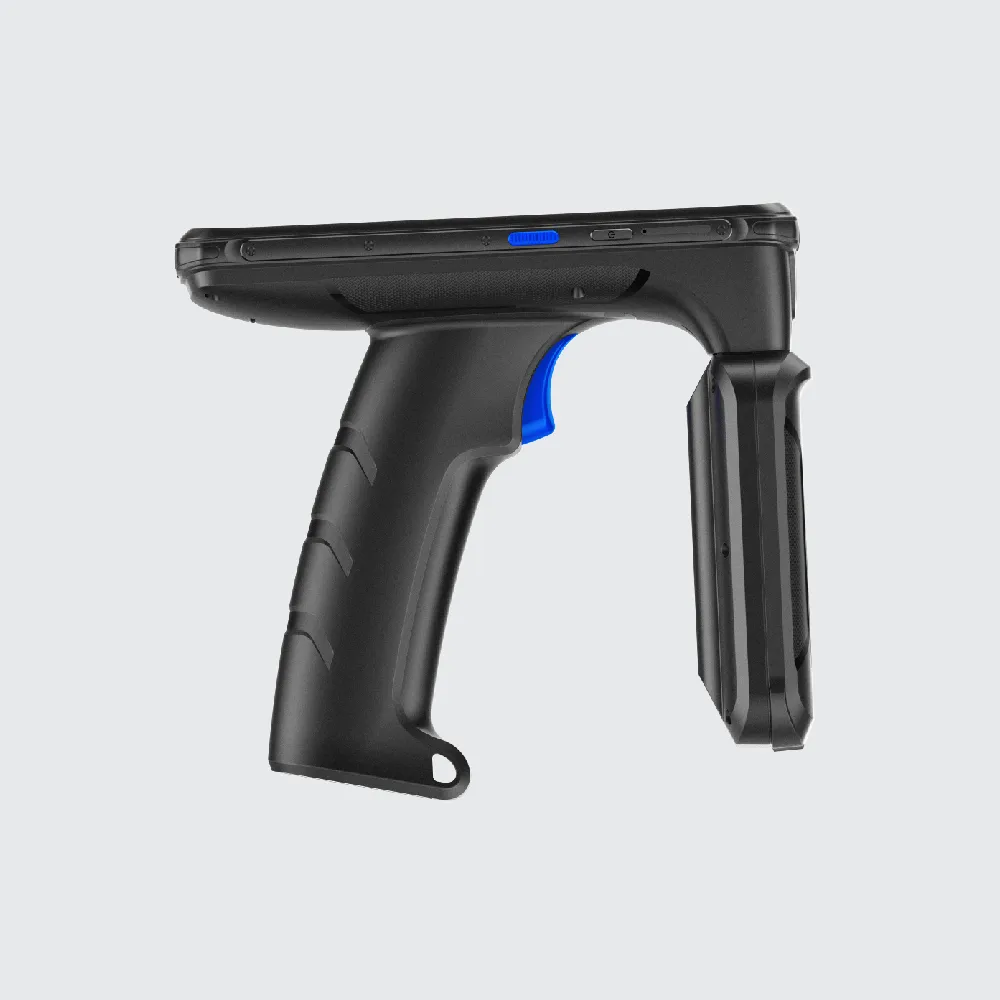
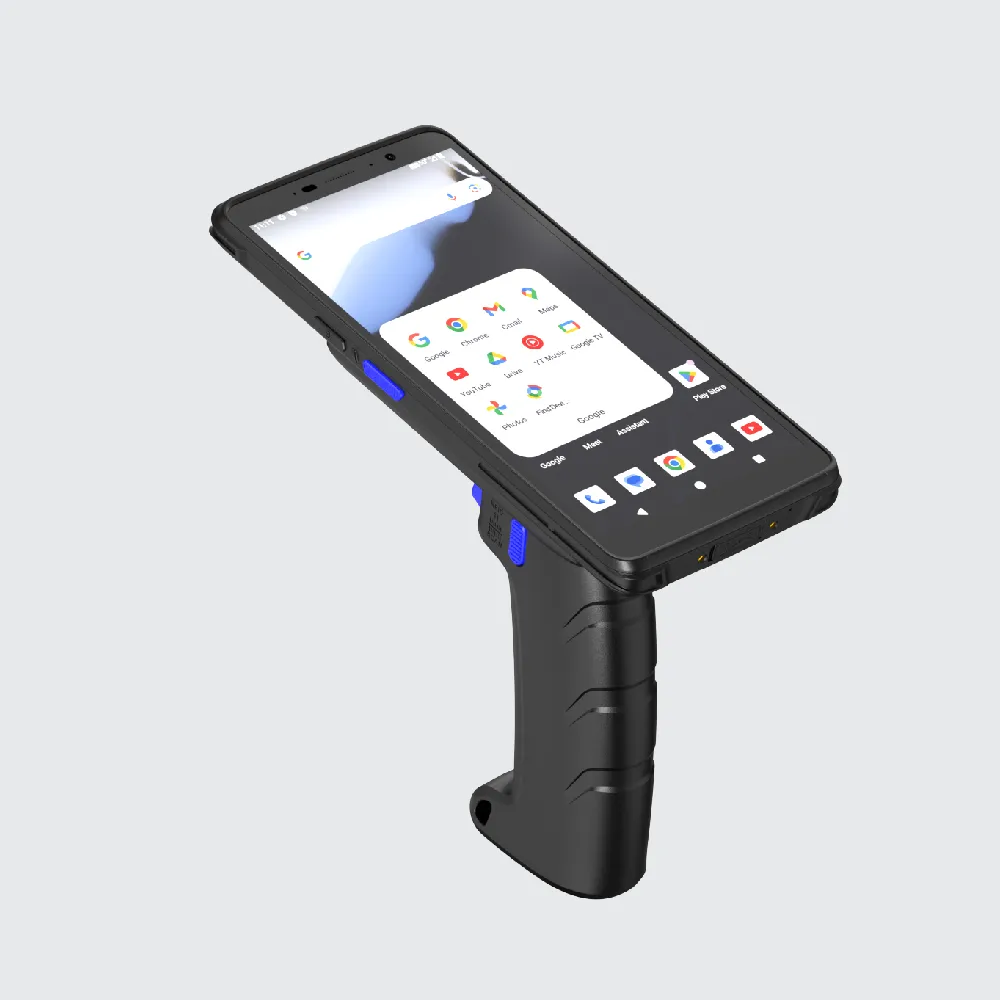
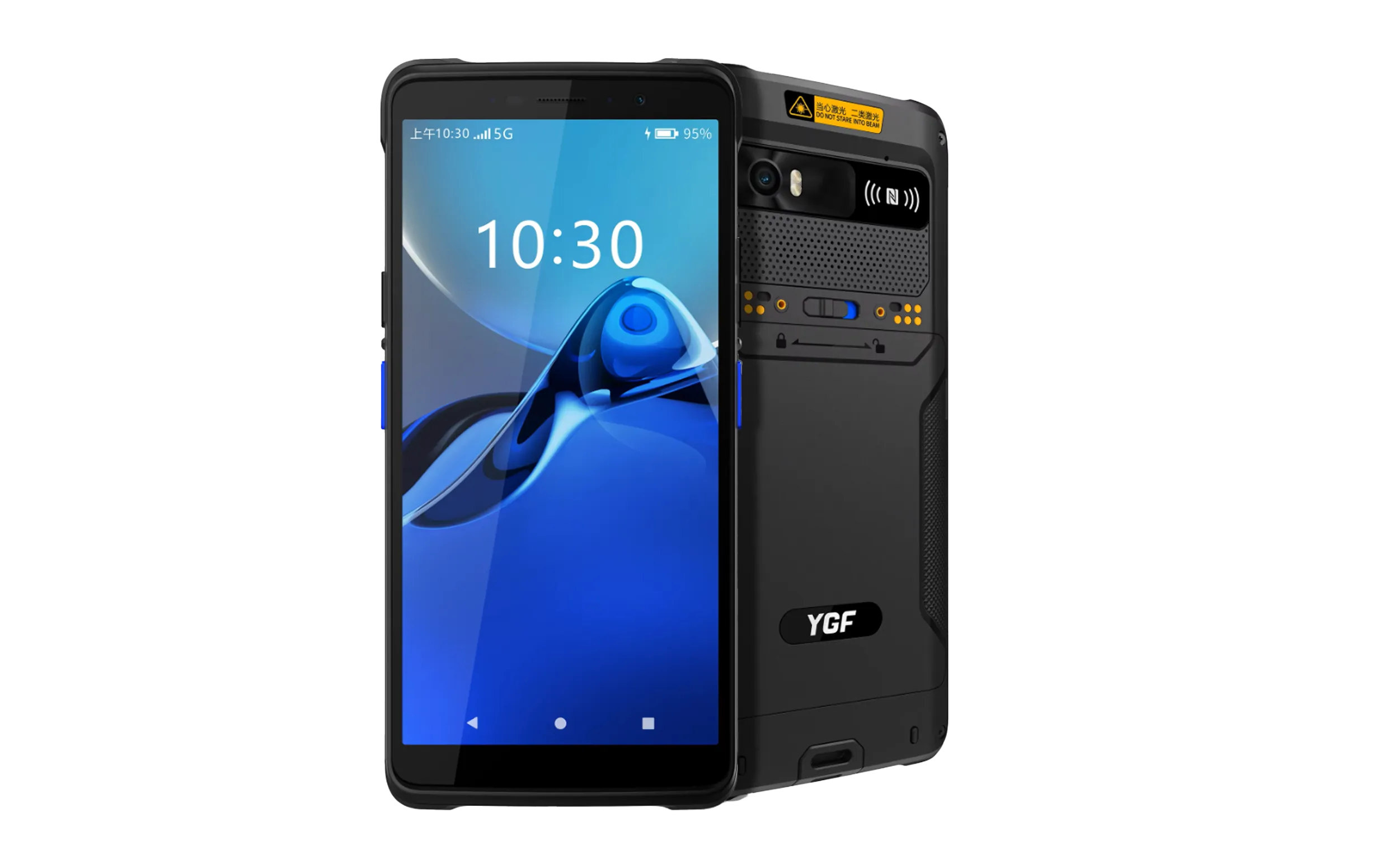
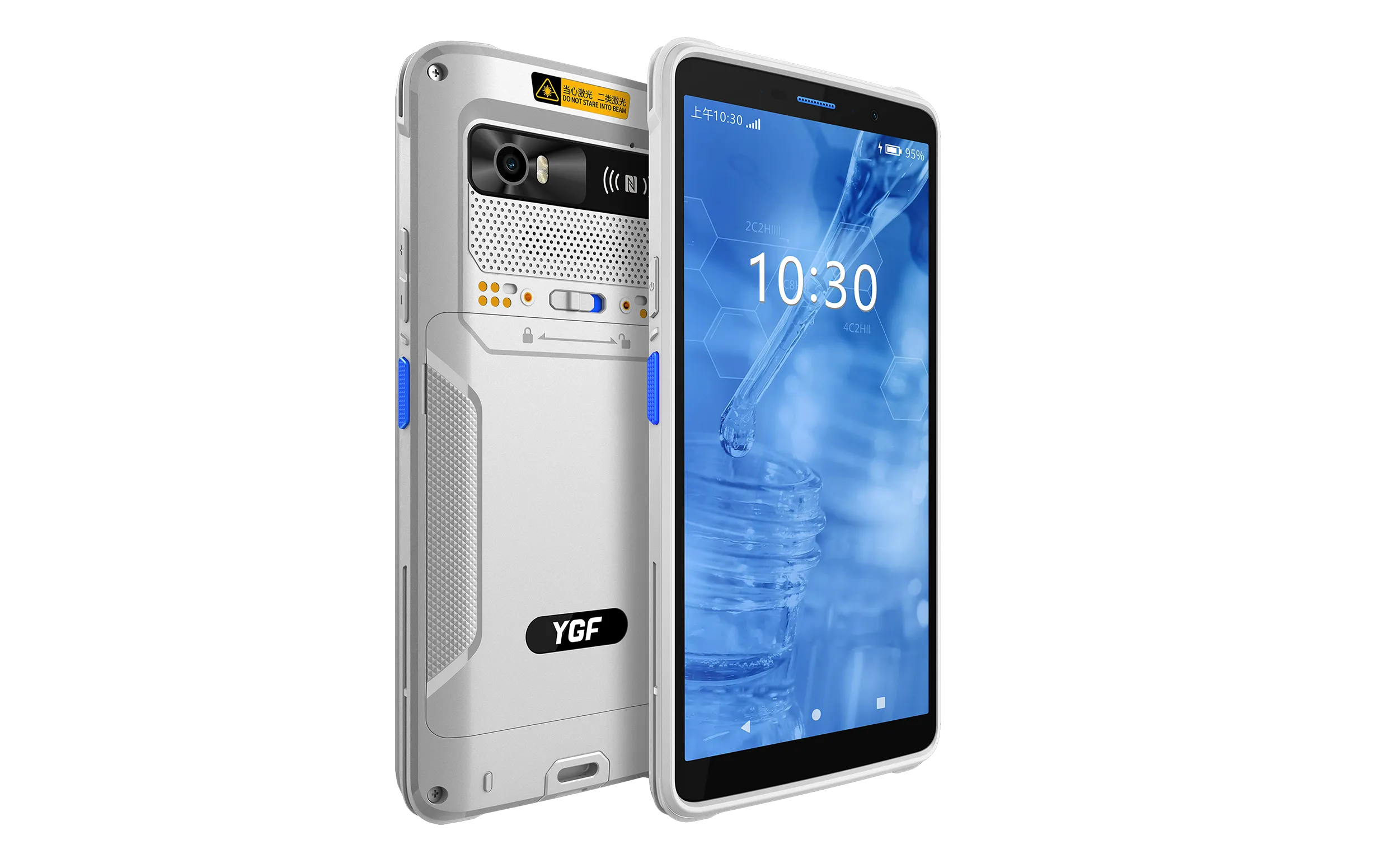
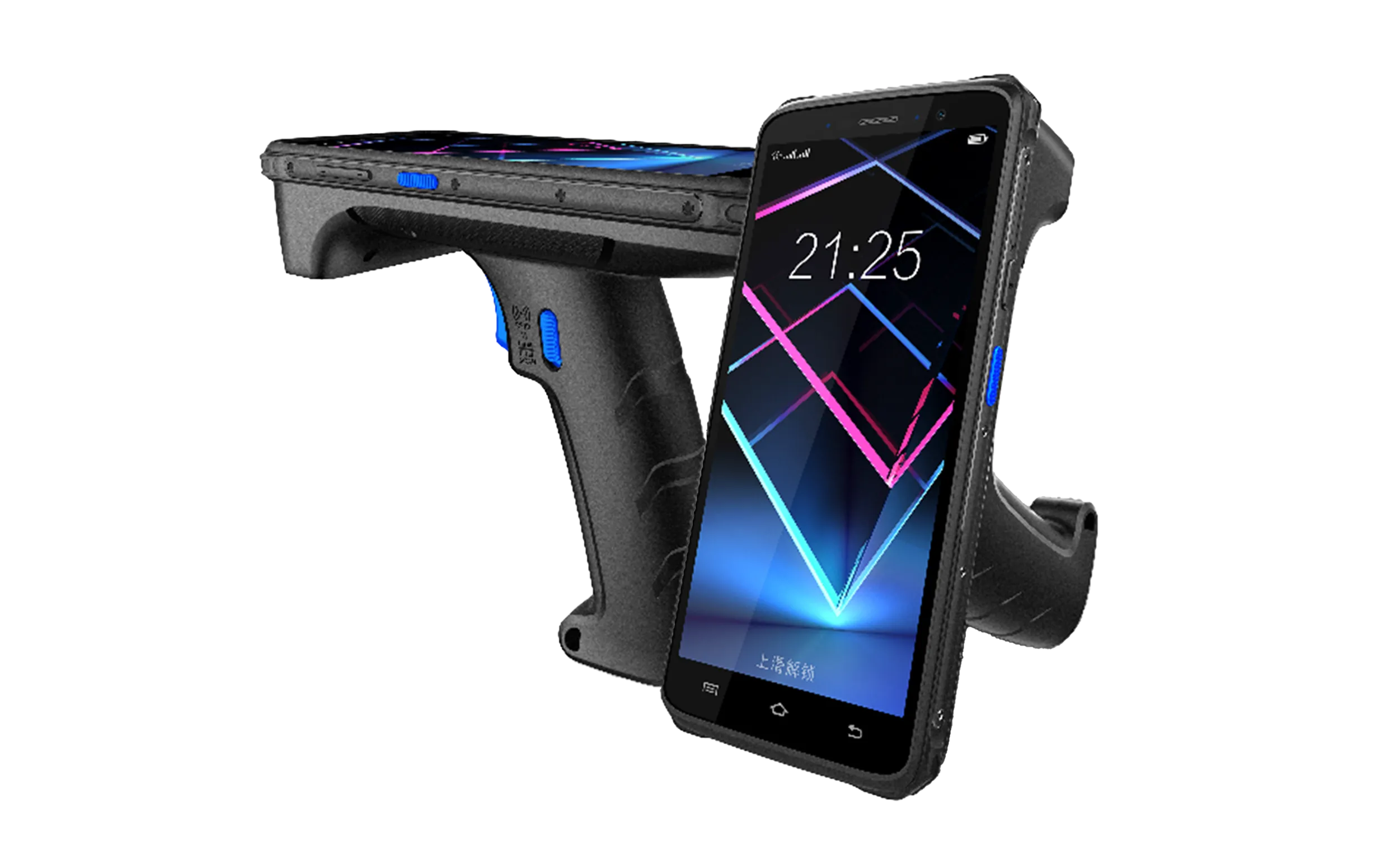
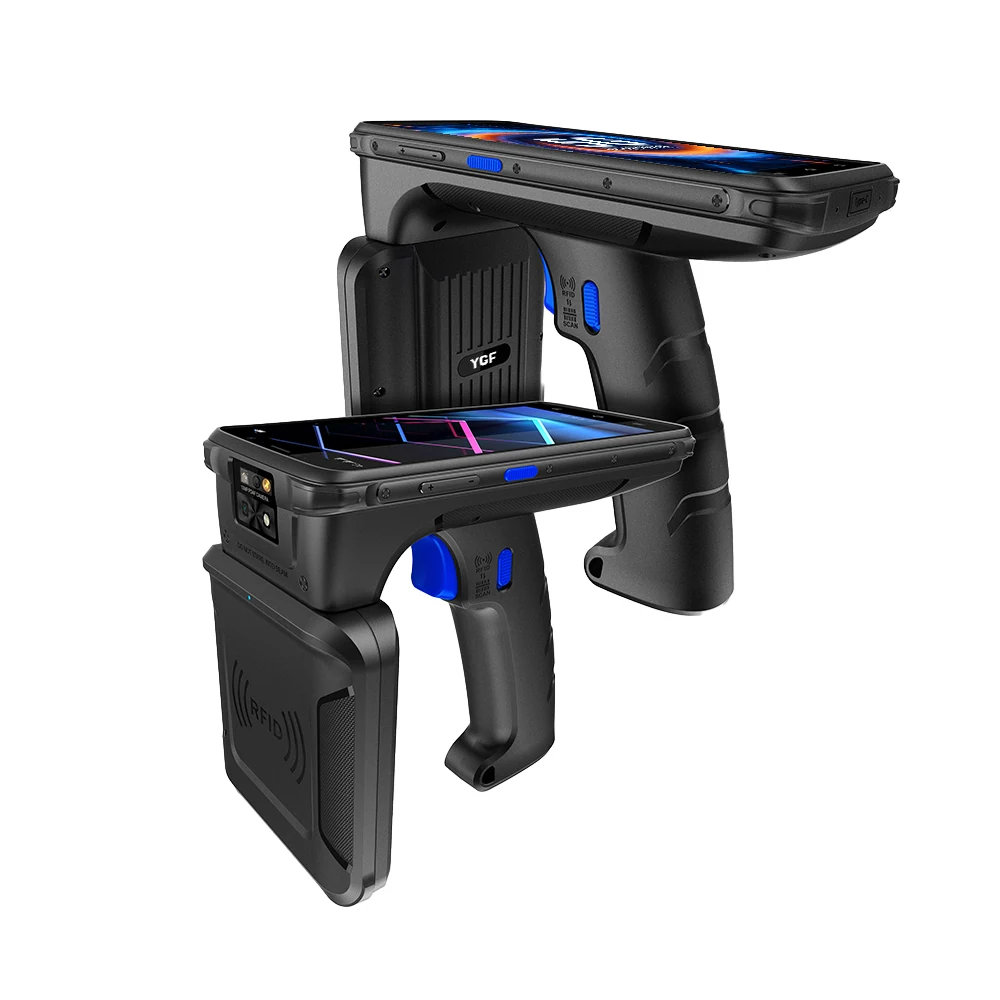
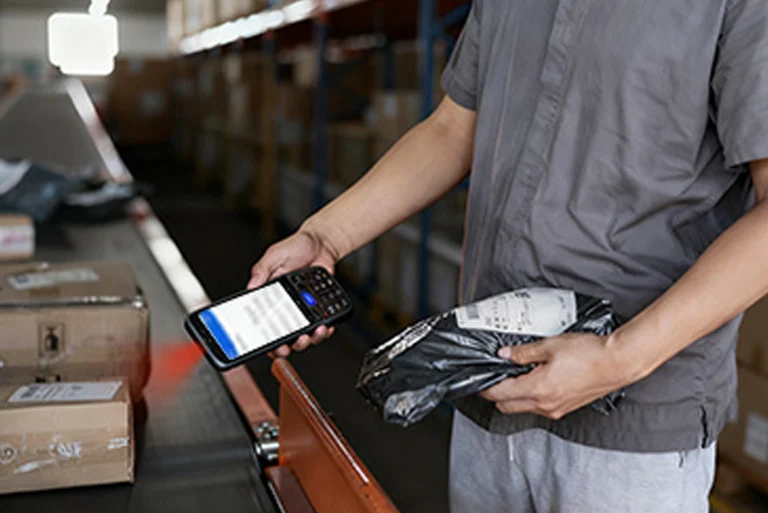
The F35U carries both UHF and LF channels in one handheld terminal. This is not a specification checkbox. It changes what the operator can do without changing device.
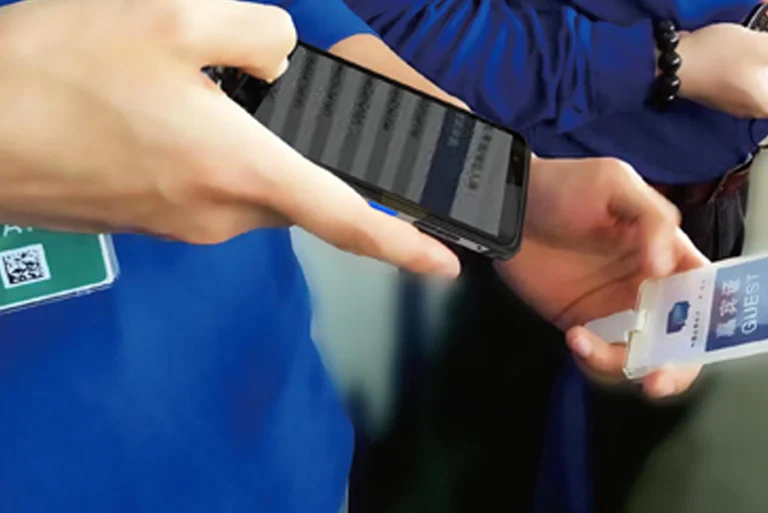
LF operates at 125 kHz or 134.2 kHz, and the physics here are fundamentally different from UHF. The read field collapses to a few centimeters because the antenna cannot efficiently couple at that frequency beyond close range. Point at a specific tag on a crowded shelf edge, and the reader sees that tag and nothing beside it. The precision comes from the physics, not from a software filter.
UHF remains available for the aisle sweep, where the operator wants to cover a rack face quickly and isolation does not matter. The workflow becomes: sweep with UHF to establish the population, verify with LF where the count needs to be exact.
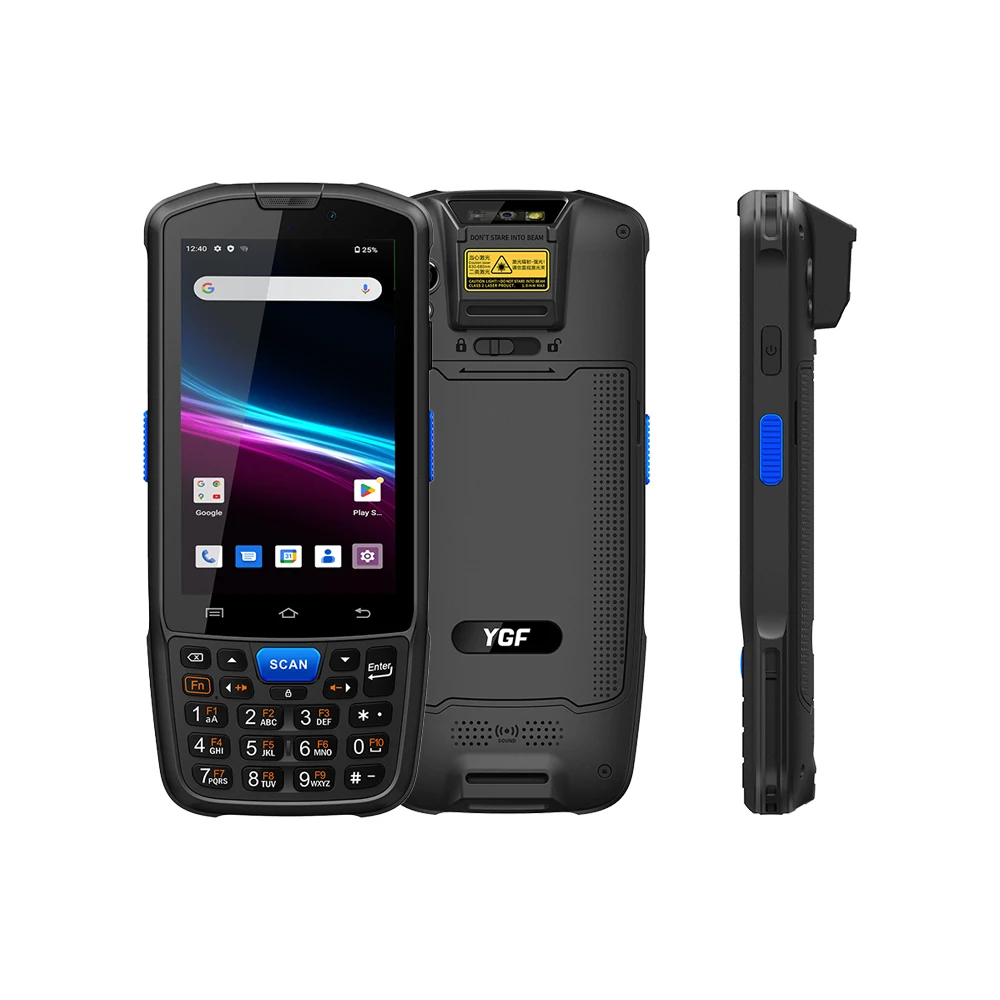
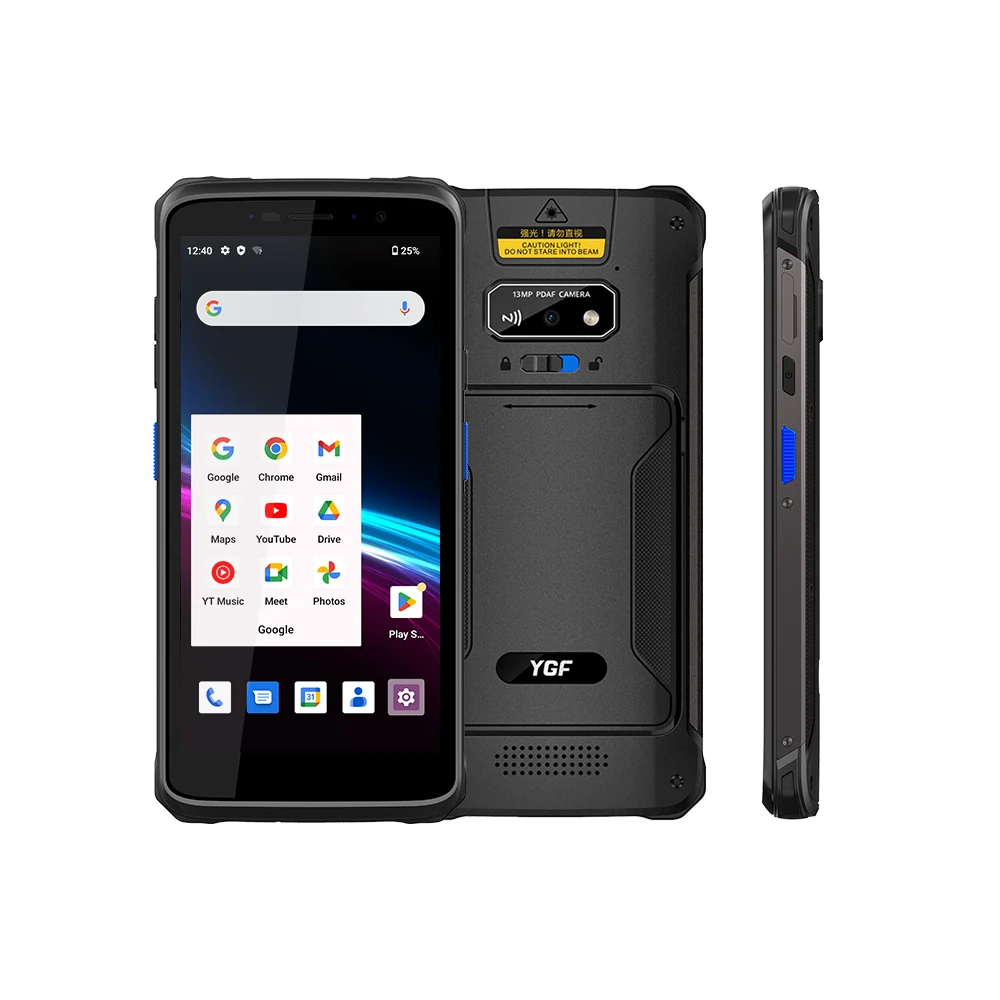
Both channels share the same professional scan engine, so barcode work does not require switching tools. LF frequencies are configurable per site at deployment, which matters because 125 kHz and 134.2 kHz deployments exist in the same facility more often than vendors assume.
Connectivity changes the reconciliation model
The second half of the problem is temporal. A reader that stores scans locally and uploads at shift end produces a record that is always one shift behind reality. Discrepancies get discovered hours after they could have been corrected, often after the truck has left.
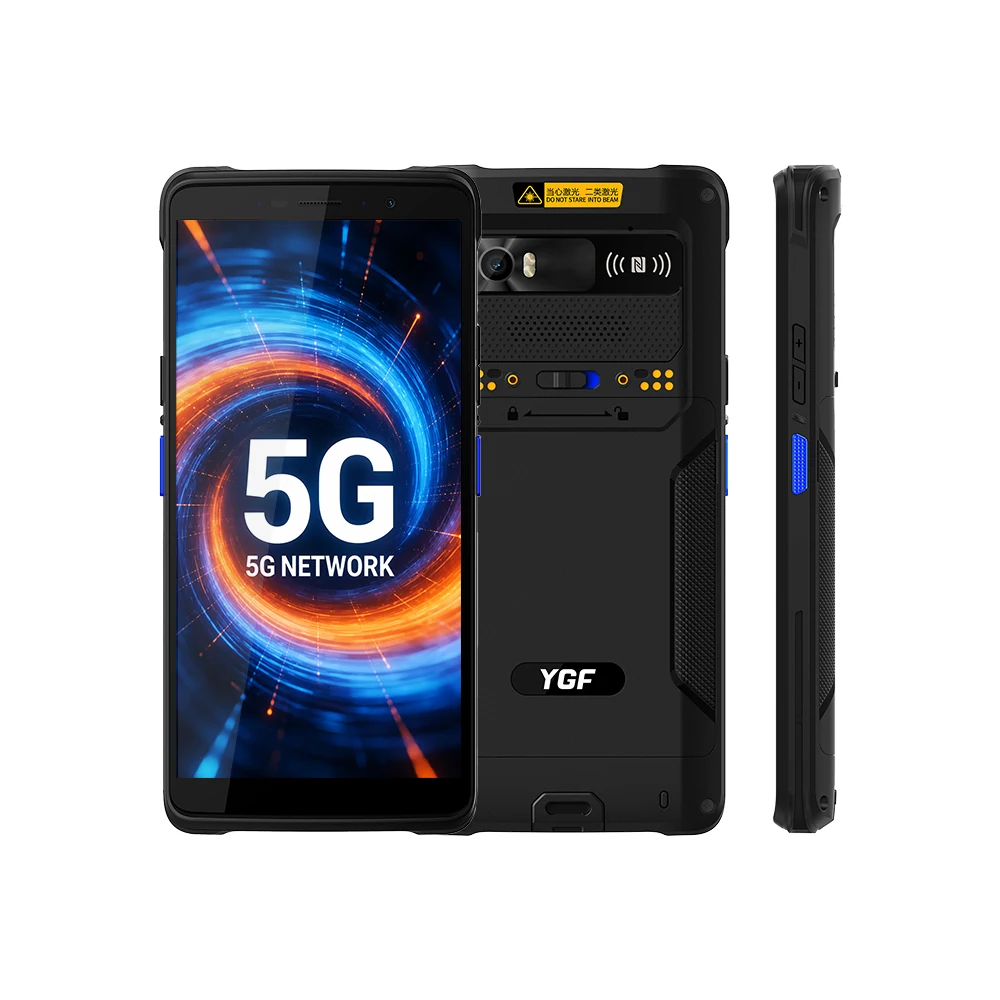
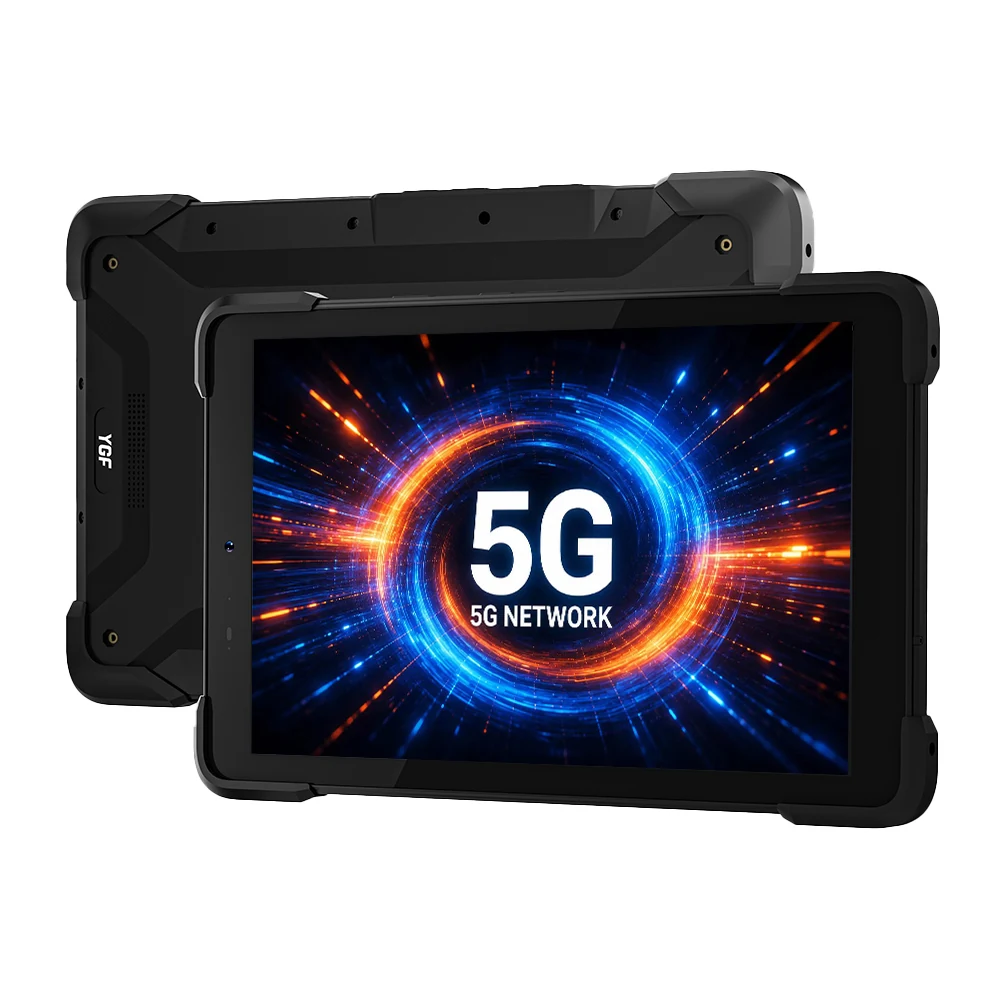
5G full band covers a site without depending on Wi-Fi reaching every aisle, which matters in older buildings where access point density was planned for office space. Wi-Fi 6 handles the areas where the network is dense. Either path delivers the read to the backend in the second it happens, so the inventory record stays current rather than reconciled.
Where this configuration fits
The dual band architecture earns its cost in specific operations rather than universally.
- Bin level counting in high density racks: LF provides the isolation UHF cannot
- Asset audit rounds: one misread corrupts the entire record, so precision dominates
- Tool and material tracking on production floors: items move hourly, sync latency matters
- Anti counterfeit traceability: close range verification proves the tag is genuine
- Production line automation: the terminal feeds line control directly, no batch step
Honest assessment
Dual band adds configuration surface. Each site has to decide which LF frequency to use and document when operators should switch modes. That is a training task and an IT task, not a zero-cost feature. Teams that skip this step end up with operators defaulting to UHF only, which defeats the purpose.
The terminal also costs more than a single band UHF reader. The justification depends on whether the operation currently carries two devices, or suffers cycle count errors expensive enough to warrant the precision. For sites doing loose pallet-level receiving, a single band reader remains the right answer.
| Specification | F35U |
|---|---|
| RFID bands | UHF and LF dual-band |
| LF frequency | 125 kHz and 134.2 kHz, field configurable |
| UHF positioning | Close range precision reading with anti cross-read design |
| Anti cross-read | Supported, designed for high density racks |
| Scan engine | Professional barcode scan engine integrated alongside RFID |
| Cellular | 5G full-band global coverage |
| Wi-Fi | Wi-Fi 6 |
| Cloud sync | Ultra low latency industrial data uplink to cloud |
Want to test this configuration on your own racks? Request an evaluation unit at https://www.ygf-tech.com or write to [email protected].