


In modern logistics, every second and every unit counts. If your facility still relies on manual data entry or paper-based tracking, you are likely losing profit to inventory discrepancies and operational delays.
If you have been asking, “What is a warehouse barcode scanner, and how can it improve my inventory accuracy and speed?”—you have come to the right place. This guide explores how this technology transforms warehouse operations.
What is a Warehouse Barcode Scanner?
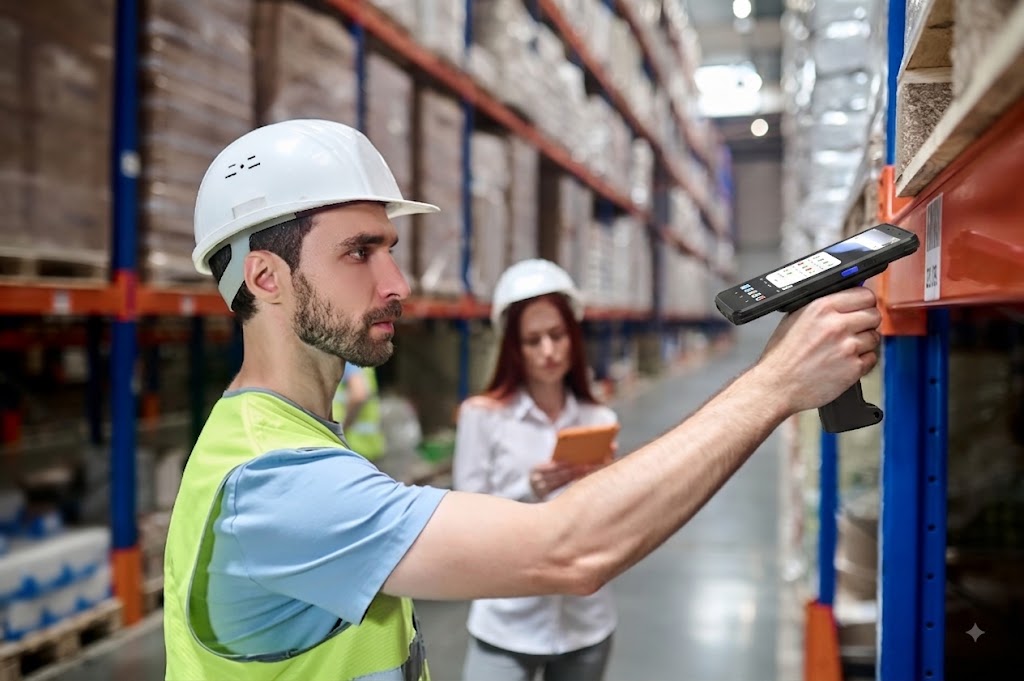
A warehouse barcode scanner is a specialized hardware device that captures and reads data stored in barcodes (1D or 2D). By emitting a light source—either laser, LED, or high-resolution camera imaging—the scanner detects the pattern of lines or dots and translates it into digital information.
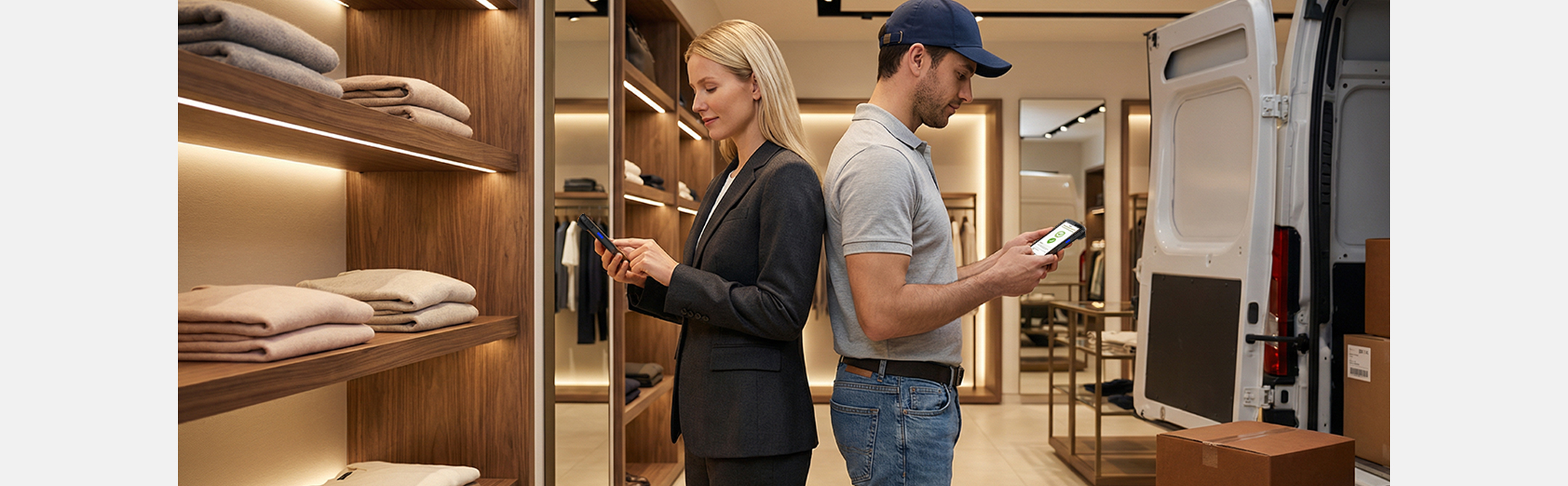
This data is then sent instantly to your Warehouse Management System (WMS) or ERP, providing an accurate, real-time snapshot of your stock levels, item locations, and order status.
Why Speed and Accuracy Matter
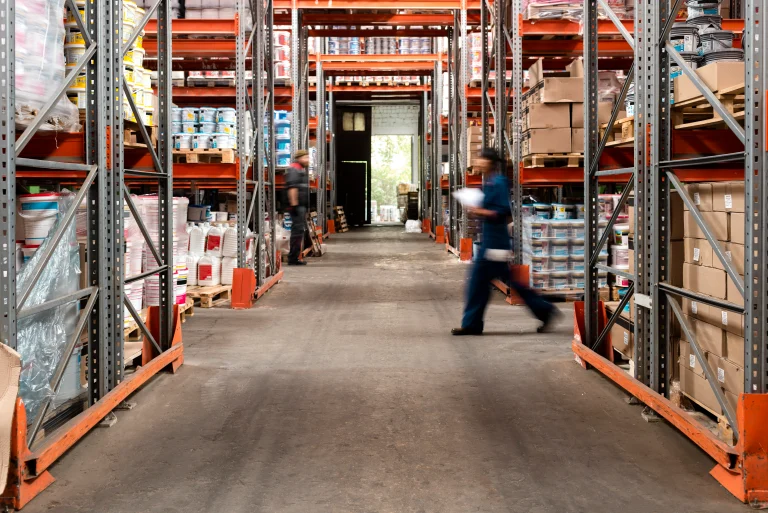
Manual inventory management is the biggest “silent killer” of warehouse profitability. Here is how barcode scanners solve these common pain points:
1. Eliminating Human Error
Human data entry is prone to typos, misreads, and fatigue. Barcode scanners capture data with near-100% accuracy, ensuring that your digital records perfectly match your physical shelf count.
2. Accelerating Throughput (Picking & Packing)
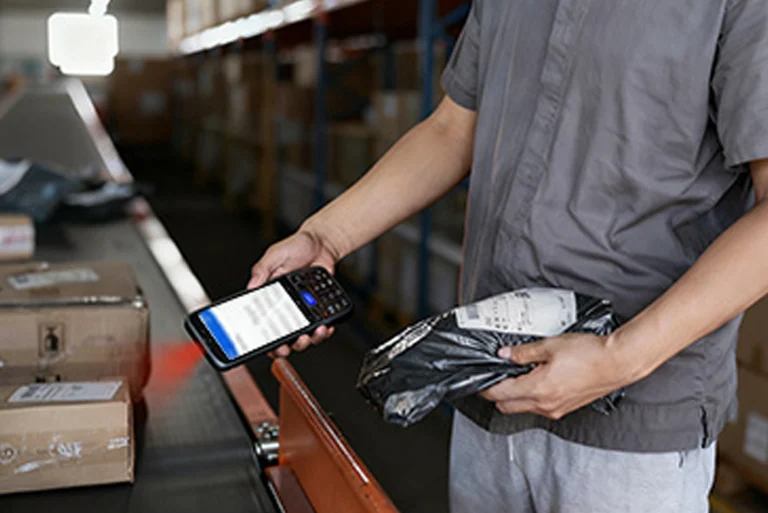
With a barcode scanner, staff can process an item in milliseconds. By removing the need to search for manual labels or hand-write serial numbers, you can significantly increase the number of orders picked and packed per shift.
3. Real-Time Inventory Visibility
Inventory management should not be a “batch” process at the end of the week. Scanning allows for real-time updates. When an item is received, moved, or shipped, the system knows immediately, preventing over-selling or stockouts.
Choosing the Right Scanner for Your Needs
To maximize your Return on Investment (ROI), you must choose hardware that matches your specific warehouse environment:
- Ruggedized Design: Look for scanners with high IP ratings (e.g., IP65 or IP67) to ensure protection against dust, water, and repeated drops on concrete floors.
- Scanning Distance: Do you need to scan items on the top shelf from a forklift? Choose long-range imagers designed for precision from several feet away.
- Connectivity: Ensure your devices support seamless Wi-Fi or Bluetooth integration to prevent data synchronization errors as staff move through the warehouse.
- 2D vs. 1D: While 1D scanners are great for basic tracking, 2D imagers are becoming the industry standard, as they can read QR codes, damaged barcodes, and codes on smartphone screens.
The Bottom Line
A warehouse barcode scanner is more than a tool—it is the foundation of a modern, efficient supply chain. By automating data capture, you drastically reduce errors and boost the speed of your entire operation, leading to higher customer satisfaction and a healthier bottom line.